Hologram Zoo School Fundraising Program: Creative Fundraising Ideas for Sydney Schools in 2026
School fundraising in Sydney is evolving quickly. Traditional cake stalls, raffles, and walkathons are still valuable, but schools in 2026 are increasingly looking for fresh, engaging, and experience-based fundraising ideas that appeal to modern families and deliver stronger participation rates.
One of the most innovative options leading this shift is the Hologram Zoo School Fundraising Program, a unique initiative that allows schools to raise funds through immersive digital wildlife experiences while offering students and families something truly memorable.
This article explores how Sydney schools can use creative fundraising ideas in 2026, with a strong focus on how holographic experiences are reshaping the way communities support education.
Why School Fundraising Needs a New Approach in 2026
School communities today face a different set of challenges compared to even a few years ago. Families are busier, attention spans are shorter, and there is stronger competition for engagement from digital entertainment and extracurricular activities.
Because of this, schools are noticing:
- Lower participation in traditional fundraisers
- Fatigue from repetitive fundraising models
- Increased demand for “value-added” experiences
- Parents preferring activities that feel educational or entertaining
To stay effective, fundraising must now be:
- Interactive
- Experience-driven
- Easy to participate in
- Memorable enough to encourage repeat involvement
This is where innovative programs like hologram-based events stand out.
What Is the Hologram Zoo School Fundraising Program?
The Hologram Zoo School Fundraising Program is a modern fundraising model where schools partner with an immersive holographic animal experience to raise funds through ticketed school events.
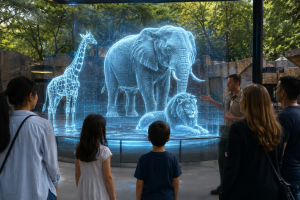
Instead of selling physical goods or relying on donations alone, schools host or promote a digital zoo experience featuring life-like holographic animals that students and families can attend.
A portion of ticket proceeds is directed back to the school, making it both:
- A fundraising initiative
- A community entertainment event
What makes this model effective is that it combines education, entertainment, and fundraising into a single experience.
Why It Works So Well for Sydney Schools
Sydney schools are uniquely positioned to benefit from experience-based fundraising because of strong community engagement and a high demand for family-friendly activities.
Here’s why this model is effective:
- High Engagement from Students and Parents
Families are more likely to participate in something that feels like an outing rather than a donation request. A holographic zoo experience is exciting, visual, and interactive.
- Educational Value
Schools can align the event with learning outcomes such as:
- Wildlife education
- Conservation awareness
- Technology and innovation learning
This makes it easier for teachers and principals to support the initiative.
- No Product Selling Pressure
Unlike chocolate drives or merchandise-based fundraising, families don’t need to sell anything door-to-door. Participation is simple: attend and enjoy.
- Strong Community Appeal
Events become social gatherings where families attend together, increasing turnout and word-of-mouth promotion.
Creative Fundraising Ideas Using Hologram Zoo
Schools can integrate the hologram experience into broader fundraising strategies to maximise revenue and engagement. Below are several creative approaches.
- Ticketed School Event Nights
The most direct approach is hosting a school-wide evening event.
- Families purchase entry tickets
- Students attend with parents
- School receives a portion of proceeds
To enhance success, schools can:
- Offer multiple session times
- Include food stalls or snacks
- Combine with a school fair or open night
This transforms fundraising into a community celebration.
- Classroom Incentive Competitions
Schools can boost participation by introducing friendly competition between classes.
Examples:
- Class with the highest ticket sales wins a prize
- Top fundraising year group receives a reward day
- Students earn recognition certificates
This increases motivation without pressure on parents.
- Conservation-Themed Learning Week
Fundraising can be tied into curriculum activities leading up to the event.
Ideas include:
- Wildlife research projects
- Poster competitions
- Science presentations on animals featured in the hologram experience
This creates educational depth while building excitement for the event.
- Family Pass Bundles
Instead of individual tickets, schools can offer bundled family passes.
Benefits:
- Higher average fundraising per transaction
- Encourages group attendance
- Simplifies promotion
Families often prefer bundled pricing as it feels more valuable.
- Combined School Fair + Hologram Experience
One of the most effective strategies is combining traditional fundraising with modern experiences.
A school fair could include:
- Food stalls
- Raffles
- Games and activities
- The holographic zoo experience as the main attraction
This hybrid model appeals to both traditional and modern audiences.
Benefits Beyond Fundraising
While raising money is the main goal, schools often find additional benefits that last beyond the event itself.
Increased School Engagement
Parents who attend events are more likely to stay involved in future school activities.
Positive School Branding
Hosting innovative events improves the school’s reputation in the local community.
Student Excitement and Motivation
Students become more enthusiastic about school involvement when events feel modern and fun.
Stronger Community Connections
Events encourage families, teachers, and local supporters to connect in a shared environment.
Tips for Maximising Fundraising Success
To get the most out of a Hologram Zoo fundraising event, schools should consider the following strategies:
Promote Early
Start promoting at least 3–4 weeks in advance through:
- Newsletters
- School apps
- Social media
- Printed flyers
Use Visual Marketing
Hologram-based experiences are highly visual. Use images and teaser videos to generate excitement.
Involve Students in Promotion
Students can:
- Create posters
- Share event information with families
- Participate in countdown activities
Offer Multiple Booking Channels
Make it easy for parents to buy tickets online, via QR codes, or through school offices.
The Future of School Fundraising in Sydney
The future of fundraising is clearly moving toward experience-based, low-friction participation models. Schools no longer need to rely solely on physical product sales or one-time donations.
Instead, programs like the Hologram Zoo fundraising initiative show how technology and education can combine to create:
- Higher engagement
- Better financial outcomes
- More enjoyable school events
As schools continue adapting to changing family expectations, immersive experiences will likely become a core part of fundraising strategies across Sydney.
FAQs: Why Choose Hologram Zoo Sydney for School Fundraising?
Here are 12 frequently asked questions schools in Sydney often have when considering the Hologram Zoo School Fundraising Program.
1. What makes Hologram Zoo different from traditional fundraising programs?
Unlike traditional fundraisers that rely on selling products, Hologram Zoo offers an immersive holographic wildlife experience where schools raise funds through ticketed events that families actually want to attend.
2. How does the fundraising model work?
Schools promote and sell tickets to the holographic zoo experience, and a portion of the ticket sales is returned to the school as fundraising revenue.
3. Is it suitable for all primary and secondary schools?
Yes. The program is designed to be flexible and can be adapted for primary schools, secondary schools, and even community groups across Sydney.
4. Do schools need to organise the event themselves?
No. The Hologram Zoo team supports the experience setup, while schools mainly focus on promotion and ticket sales.
5. Why is it more effective than selling products like chocolates or gift items?
Because it removes selling pressure. Families don’t need to sell anything door-to-door. They simply attend an engaging event, making participation much easier.
6. Is the experience educational for students?
Yes. The program is designed around wildlife, conservation, and technology themes, making it suitable for educational enrichment alongside fundraising.
7. Can it be used as part of a school event or fair?
Absolutely. Many schools combine it with fetes, open nights, or community events to increase attendance and overall fundraising results.
8. How does it help increase parent engagement?
Parents are more likely to participate in experiences rather than passive donation requests. The event encourages families to attend together, improving engagement.
9. Is there any risk or cost burden for schools?
Typically, the model is designed to be low-risk, as fundraising is based on ticket sales rather than upfront product investment by the school.
10. Can students be involved in promoting the fundraiser?
Yes. Schools often involve students through posters, class competitions, and awareness campaigns, which helps increase participation.
11. What kind of experience do families get?
Families experience a futuristic holographic zoo featuring lifelike animal projections, making it both entertaining and educational.
12. Why is Hologram Zoo a good fit for Sydney schools specifically?
Sydney schools benefit from strong community participation and demand for innovative activities. The hologram experience stands out as a modern, tech-driven alternative to traditional fundraising methods.
Creative fundraising in 2026 is no longer just about raising money. It’s about creating experiences that bring school communities together.
The Hologram Zoo School Fundraising Program offers Sydney schools a powerful way to achieve both goals at once. It transforms traditional fundraising into an interactive, educational, and highly engaging event that families actually want to attend.
For schools looking to modernise their fundraising strategy, this approach represents a forward-thinking step that aligns perfectly with today’s expectations of entertainment, education, and community involvement.